
 made with ♥ in Italy, Europe
Description
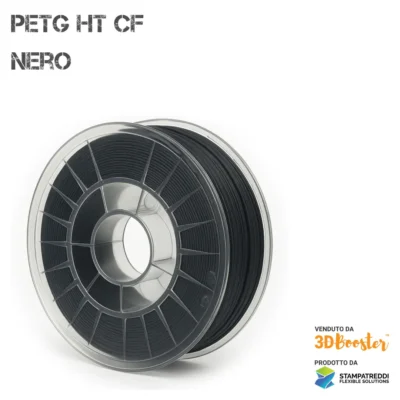
PETG CT CF (10% carbon fibre) – High-strength technical filament for 3D printing | Parameters: 250–265°C, bed 60–70°C
Print parameters (initial recommendations)
-
Ugello / Nozzle: 250–265 °C
-
Print bed: 60–70 °C
-
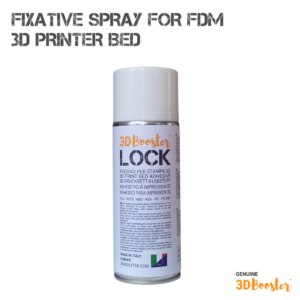
Flat adhesive: 3DBooster Lock
-
Essiccazione: 70 °C for 4 h before use
-
Materiale: PET-G HT reinforced with 10% fibra di carbonio
-
Note hardware: usare ugello in acciaio temprato o rubino (materiale abrasivo); ≥0,4 mm consigliato
Cos’è PETG CT CF
PETG CT CF è un compound tecnico base PET-G (Polietilentereftalato-glicole) loaded with 10% carbon fibre. It is designed for FFF/FDM printing (and also compatible with FGF from pellets), with improved heat resistance, proprietà meccaniche elevate and comportamento antistatico utile in contesti industriali e ambienti ATEX.
Key features
-
Alta rigidità e modulo elevato grazie al rinforzo in fibra di carbonio.
-
Impact Resistance and stabilità dimensionale: basso ritiro, warping contenuto.
-
Thermal Resistance high for reinforced PETG (HDT up to ~109 °C, Vicat ~105 °C).
-
Superficie dura e finitura opaca: excellent appearance and excellent wear resistance.
-
Chemical resistance: buona tenuta a oli, grassi, benzina e molti solventi.
-
Stampabilità: also works well on printers senza camera riscaldata.
-
Antistaticity: riduce l’accumulo di cariche superficiali (utile in ambienti sensibili).
Printing peculiarities
-
Tolleranze pulite e layer regolari thanks to the CF filler (less deformation).
-
Abrasività: the fibre wears out brass nozzles—prefer hardened steel/carbide.
-
Asciugatura fondamentale: l’essiccazione (70 °C × 4 h) mantiene costanza dimensionale e migliora la finitura.
-
Bed adhesion: 3DBooster Lock garantisce grip e distacco controllato.
Fields of application
-
Attrezzaggi e utensili: dime, staffe, morsetti, posaggi.
-
Componenti funzionali: supports, housings, brackets for machines and production lines.
-
Automazione/robotica/drone: bracci, staffe, piastre, parti soggette a urti e vibrazioni.
-
Automotive and light mechanical: alloggiamenti, coperture, distanziali, staffe vicino a fonti di calore.
-
Elettronica industriale / ATEX: cover e componenti dove l’antistaticità is a plus.
Dati tecnici principali (valori tipici)
-
Density: ~1,27 g/cm³ (ISO 1183)
-
Modulo a trazione (iniezione): ~7700 MPa (ISO 527-1)
-
Carico a rottura a trazione (iniezione): ~110 MPa (ISO 527-1)
-
Elongation at break (iniezione): ~3,2 % (ISO 527-1)
-
Urto Charpy: fino a ~40 kJ/m² (iniezione, senza intaglio – ISO 179)
-
Vicat: ~105 °C (ISO 306, 50 N)
-
HDT: ~109 °C @0,45 MPa; ~86 °C @1,81 MPa (ISO 75)
Nota: the values are indicative and depend on the machine, parameters and geometry of the part. Always verify performance on the finished component.
Avvertenze e conformità
-
Uso industriale.
-
Non idoneo for medical applications.
-
Non idoneo in contact with food and/or drinking water.
-
Le proprietà possono variare in base al lotto e al processo; utilizzare sempre la versione più recente of the documentation and validate the part in real application.
Quick tips for professional results
-
Mantieni la ventola bassa o moderata to maximise interlayer strength.
-
Preferisci infill denso and pareti multiple for structural parts.
-
For a better finish, print in the range 260–265 °C with bed 65–70 °C and a well-cleaned bed.
-
Conserva le bobine in asciutto; ri-essicca se esposte all’umidità.
Reviews
There are no reviews yet.